Laos China Railway: The Complete Guide for Visitors
By the Travel Laos team · 22 November 2026 · 9 min read · Updated 23 November 2026
In this post
- What the Laos China Railway Actually Is
- The Stations That Matter to International Visitors
- How to Buy Laos Train Tickets as a Foreigner
- The Route from China: Kunming to Luang Prabang by Train
- The Route South: Luang Prabang to Vientiane
- A Sense of What You Will See
- Arriving at Luang Prabang: What Comes Next
- Practical Details Worth Knowing
- Questions
Photo: Dominik Landwehr · CC BY-SA 4.0 · via Wikimedia Commons
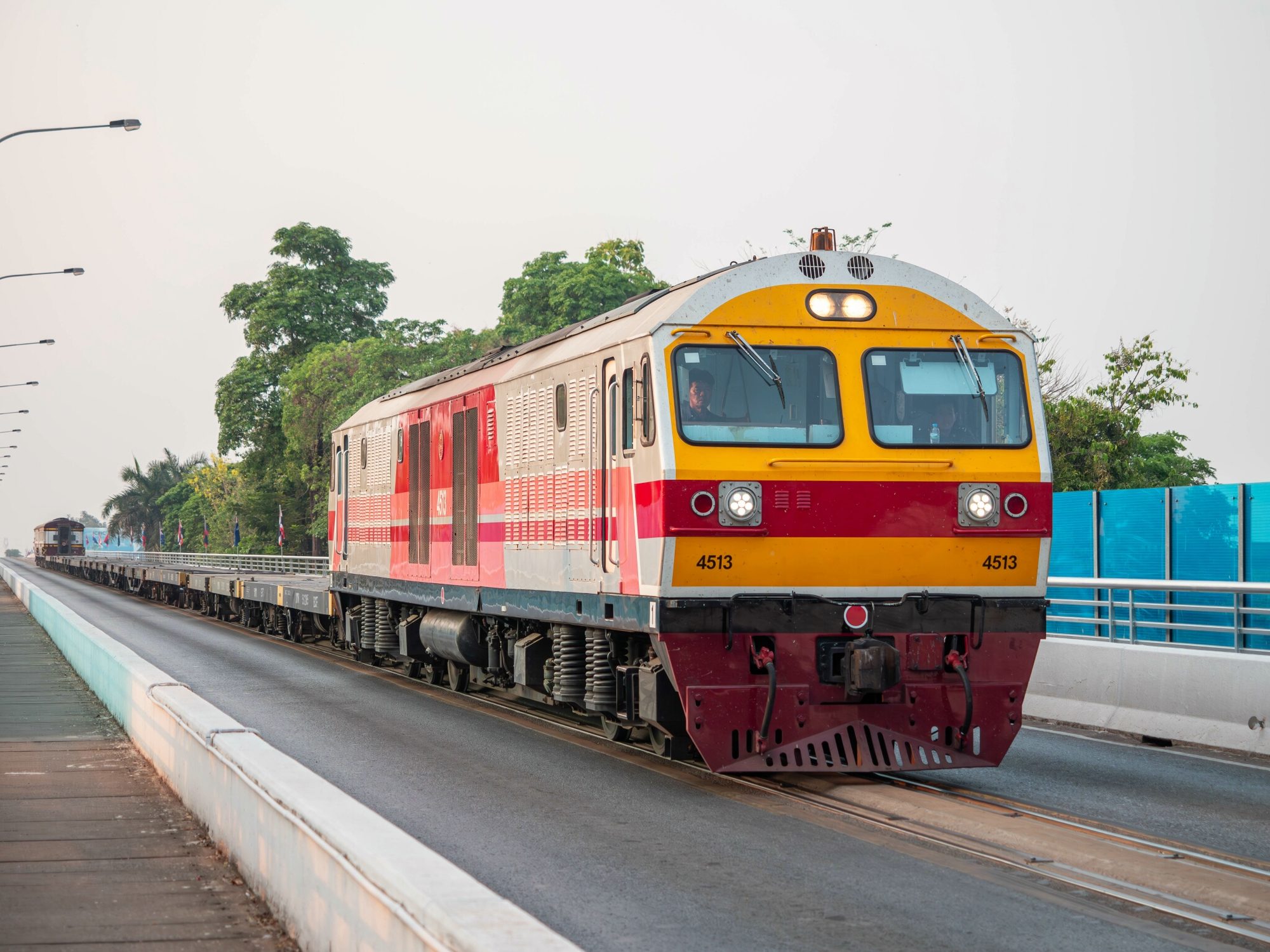
The Laos China Railway changed how travellers reach this corner of Southeast Asia. Where the journey to Luang Prabang once meant a slow boat, a prop plane or a winding mountain road, there is now a modern train running from the Chinese border to Vientiane, with a station just outside Luang Prabang. It is fast, air-conditioned and, by regional standards, inexpensive. It has also made the whole route from Kunming in Yunnan through northern Laos to the capital feel like a single connected journey rather than a series of difficult transfers.
This guide covers the full route, the stations that matter to international visitors, how to buy tickets as a foreigner, what the trains are like, and how to get from the station to Luang Prabang's UNESCO Old Town and the river resorts beyond it. If you are coming overland from Thailand, the Bangkok to Vientiane by train guide covers the first leg.
What the Laos China Railway Actually Is
The railway is formally known as the Laos-China Railway (ລົດໄຟລາວ-ຈີນ). It opened in December 2021, connecting Boten on the Chinese border in Luang Namtha province to Vientiane, covering roughly 414 kilometres of Lao territory. It then continues across the border into Yunnan province, connecting to the Chinese high-speed rail network — most usefully to Kunming South station.
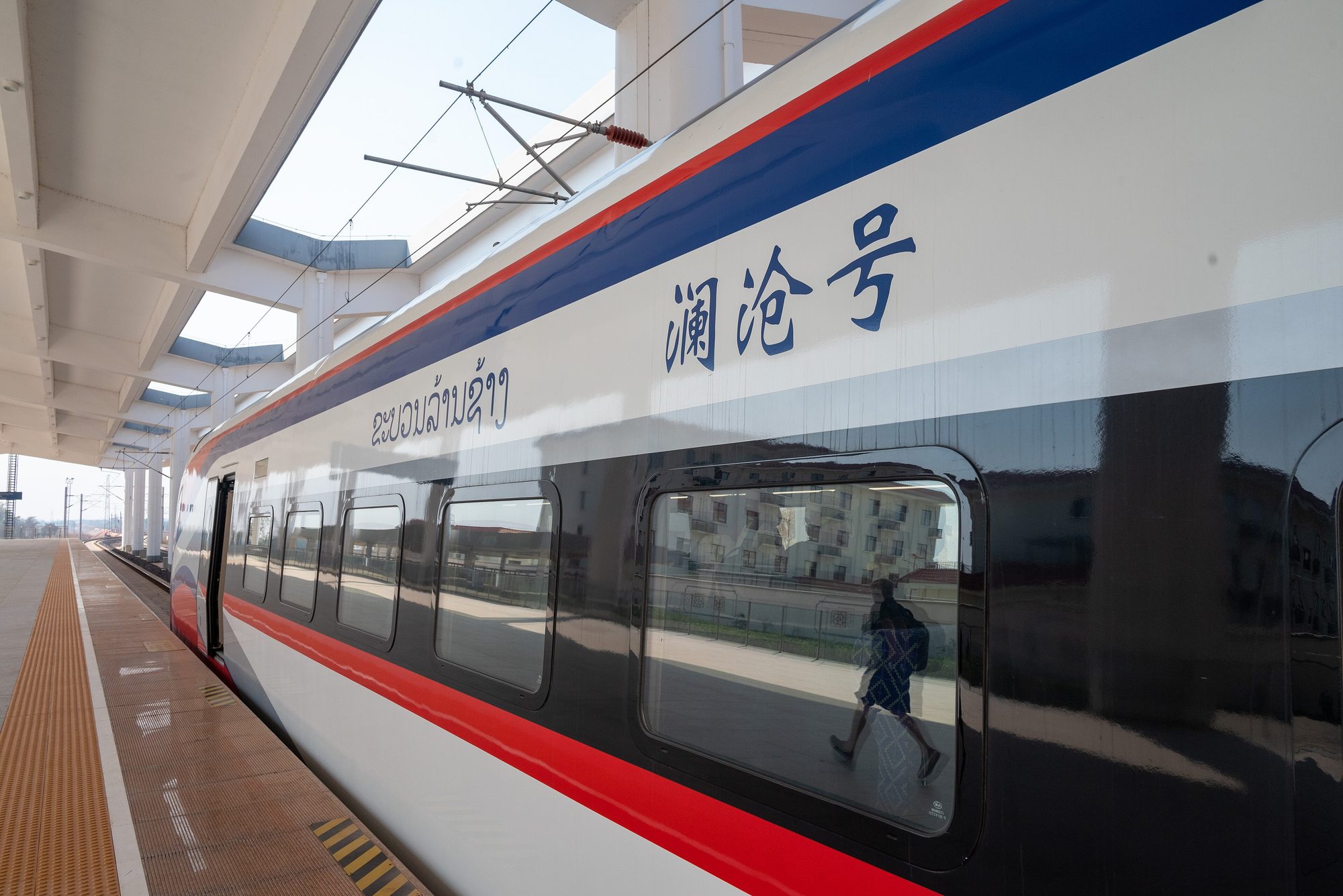
The trains are Chinese-built and operated by a joint Lao-Chinese company, running the same standard equipment used on medium-speed Chinese lines: air-conditioned carriages, numbered reserved seats, clean onboard toilets. Speeds in Laos reach around 160 km/h on flatter sections, though the line passes through mountainous terrain with numerous tunnels and viaducts, so window views vary considerably.
The line is single-track, which affects scheduling. There are several departures daily in each direction on the busiest segments, but check the current timetable locally before planning connections.
 Related readLuang Prabang Railway Station: What to Expect
The Stations That Matter to International Visitors
There are roughly twenty stations on the Lao side. For most international visitors, four are relevant.
Boten is the northern terminus at the Chinese border in Luang Namtha province. Cross here from Mohan in Yunnan. Border formalities happen at the adjacent crossing; travellers coming from China present passports here and can pick up a Lao visa on arrival if applicable to their nationality.
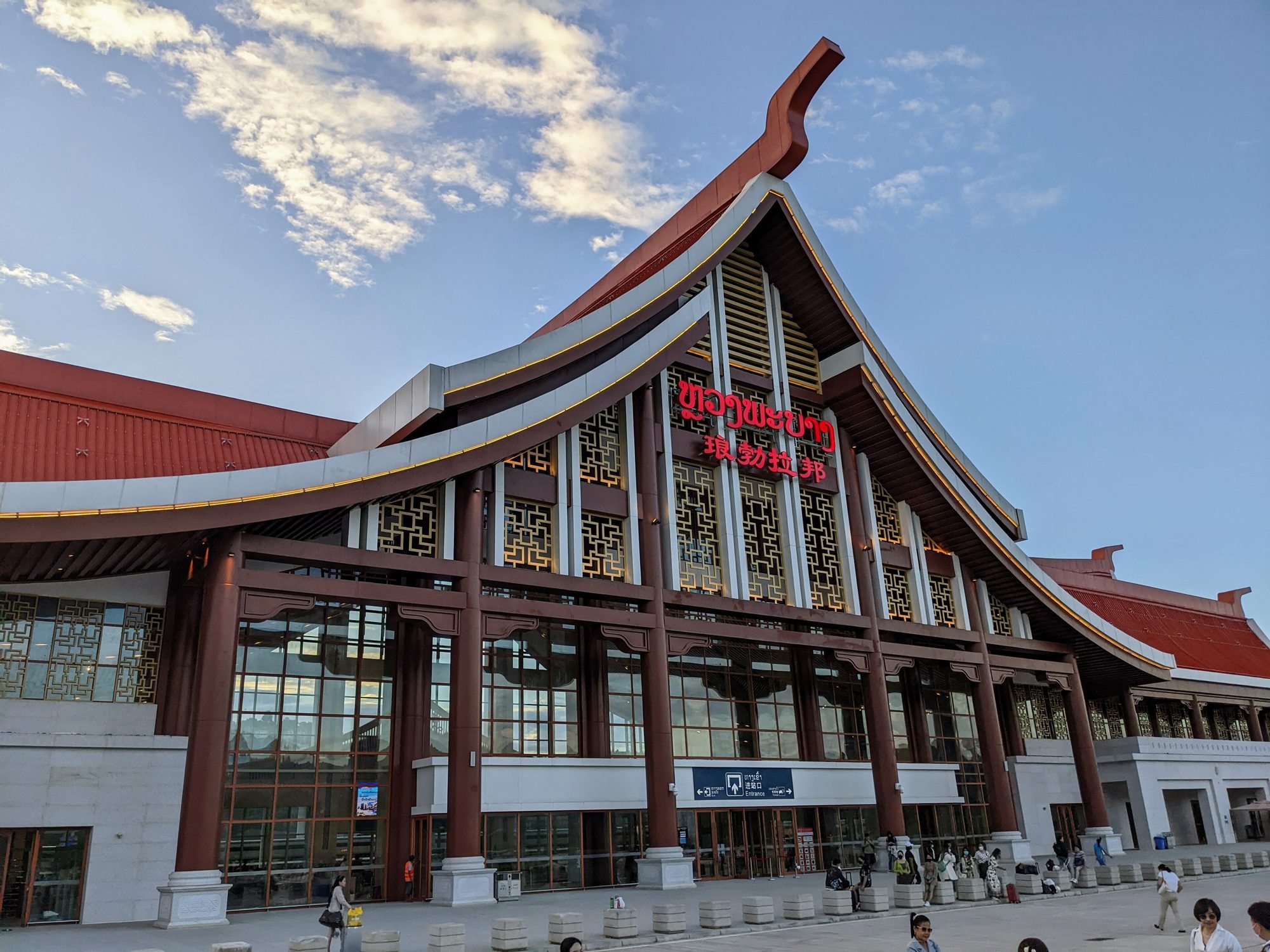
Luang Prabang station is the one most travellers want. It sits on the edge of town, away from the UNESCO Old Town, and requires a tuk-tuk or taxi for the last leg. The main night market and the old temples are several kilometres from the station — budget time for this transfer. From the station, properties along the Nam Khan River are roughly thirty to forty minutes by road. Hotels can arrange pickups; it is worth messaging ahead with your arrival time.
Vang Vieng is the midpoint town, known for its karst landscape and outdoor activities. The station is similarly set back from the town centre, so a tuk-tuk is needed.
Vientiane (Patouxai) is the southern terminus on the Lao side, outside the city and accessible by tuk-tuk, taxi or the airport bus.
How to Buy Laos Train Tickets as a Foreigner
This question causes the most confusion, and it has become considerably easier since the line opened.
Online via the official Lao platform. The Lao-China Railway booking site and its authorised agents allow foreigners to book with a passport number. The name on the ticket must match your passport exactly, and your passport is checked at the station gate. Book early for peak dates: Chinese New Year, Lao New Year in mid-April, and the dry season from November to February.
Via a travel agent in Laos. Most hotels and local agents in Luang Prabang, Vang Vieng and Vientiane can book on your behalf for a small service fee. This is often the simplest route once you are in the country, as agents handle the system's occasional quirks and confirm seat class and departure time.
At the station ticket office. Windows open in the hours before departures. Bring your passport. Cash in Lao kip is accepted; some windows take Thai baht and Chinese yuan. Expect queues during peak periods.
Seat classes. There are generally two classes on the Lao section: second class (standard seats, pairs facing forward) and first class (wider seats, more space). Both are air-conditioned. For the roughly two-hour journey between Luang Prabang and Vientiane, second class is entirely comfortable. For the full run from Boten to Vientiane — around three and a half hours — first class is worth considering.
Luggage. Each passenger may bring two items of hand luggage into the carriage. Larger bags go in overhead racks or at the ends of carriages. There is no formal left-luggage service at smaller stations, so plan accordingly.
The Route from China: Kunming to Luang Prabang by Train
The most compelling long-distance use of this line is the journey from Kunming through the border and down to Luang Prabang — the rail equivalent of what travellers once did on the slow boat from Huay Xai, but faster, drier and more comfortable.
From Kunming South station, Chinese high-speed trains run toward the Yunnan border. The combined journey from Kunming to Luang Prabang, including the border crossing at Boten, takes roughly six to eight hours depending on connections. The scenery through Yunnan — terraced fields, tropical forest, steep river valleys — is genuinely good, and the northern Lao section adds limestone hills and river crossings on viaducts that make it worth looking up from your phone.
The border crossing requires full passport control on both sides; allow extra time. Lao visa on arrival is available to many nationalities, but confirm current requirements before you travel. The UK Foreign, Commonwealth & Development Office publishes regularly updated entry requirements for British travellers. Travellers from other countries should check their own government's advice or the Lao National Tourism Administration.
The Route South: Luang Prabang to Vientiane
The two-hour train from Luang Prabang to Vientiane passes through Vang Vieng and crosses several dramatic viaducts over forested valleys. It is one of the more scenic rail journeys in mainland Southeast Asia — not for speed, but for what appears outside the window through the central section.
A sensible itinerary: fly into Luang Prabang international airport, spend several days on the Nam Khan River, take the train south to Vang Vieng for a night or two, then continue to Vientiane to fly out. The reverse works equally well. The flexibility the railway adds to northern Laos itineraries is real — Vang Vieng, once a detour, now sits cleanly on the main line.
For planning the wider journey, the Vientiane to Luang Prabang train guide covers timetables, seat classes and station transfers in more detail.
A Sense of What You Will See
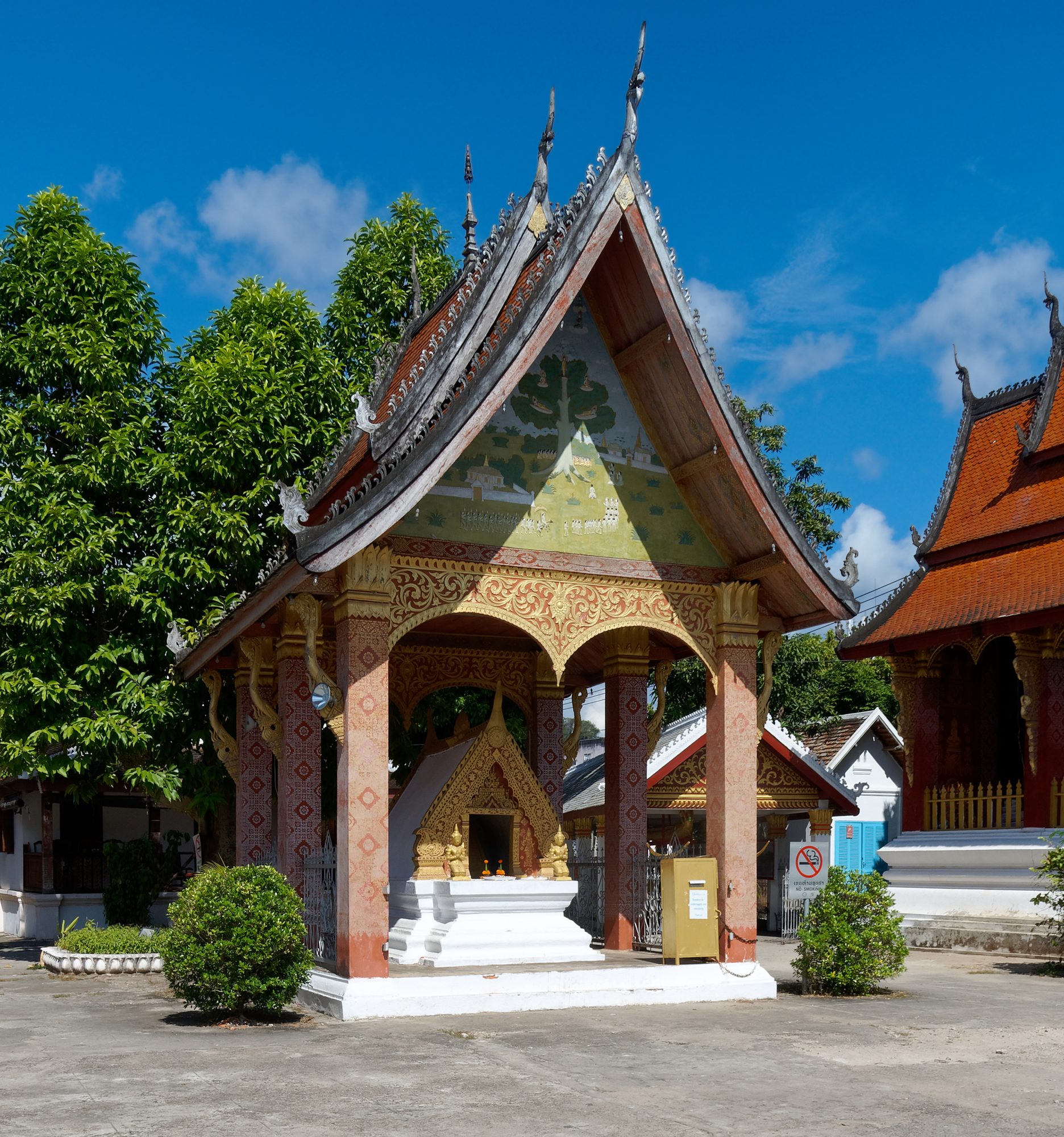
The railway connects these places into a single journey. The images below give a feel for what awaits at each end of the line — from Luang Prabang's river hotels and ancient temples to the karst peaks above Vang Vieng at dawn.

Arriving at Luang Prabang: What Comes Next
Luang Prabang station is not in the Old Town. When you step off the train, you need a tuk-tuk, taxi or hotel transfer. The ride to the UNESCO heritage zone takes twenty to thirty minutes depending on traffic. Book a hotel pickup in advance if you are arriving with luggage — most properties along the Nam Khan River offer this, and it removes the guesswork on arrival.
Once in Luang Prabang, the city rewards slow movement. The alms-giving ceremony (tak bat) takes place each morning before sunrise, with saffron-robed monks walking the main street in silence — attend with respectful attire and quiet observation. Wat Xieng Thong and the other great temples are within walking distance of one another. Kuang Si Falls, a forty-five-minute drive into the forest, has turquoise terraced pools that are as good as photographs suggest.
For time outside the town itself, several riverside hotels sit on the Nam Khan a short drive from Luang Prabang's UNESCO Old Town, and most can arrange a station pickup if you send your arrival time.
Practical Details Worth Knowing
What you cannot take on the train. Standard rail rules apply: no flammable liquids, no oversized gas canisters, no weapons. Alcohol is not sold onboard. Check the posted rules at the ticket office for the current full list of prohibited items.
Food and drink onboard. A trolley service on most trains carries snacks, water and instant noodles. It is not a dining car. Bring your own water and something light on longer segments.
Luggage storage at Luang Prabang station. Facilities are limited. If you are arriving with large bags and not heading directly to your hotel, confirm storage options when you buy your ticket or arrange an early hotel pickup.
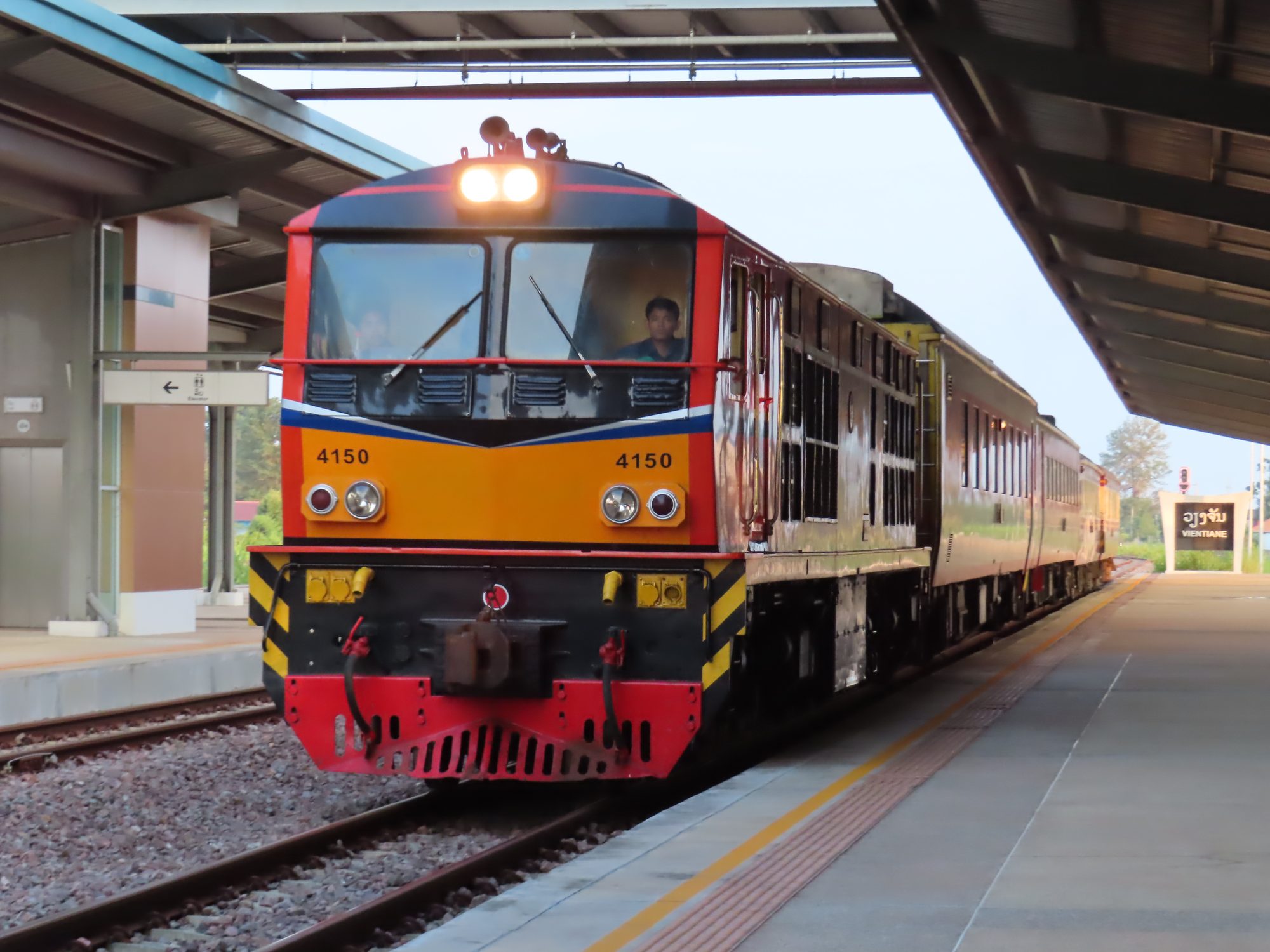
Connecting to Thailand. As of November 2026 there is no through train between the Thai network and the Laos-China line. The crossing is the Friendship Bridge between Nong Khai and Vientiane: a shuttle train runs across the bridge from Nong Khai, and buses and taxis cross too. From Nong Khai, trains run to Bangkok; from Vientiane, the Laos-China line runs north. The two systems do not share a station, so allow time for the transfer across Vientiane.
Questions
Can foreigners book Laos train tickets online?
Yes. The Lao-China Railway platform and authorised agents accept foreign passport numbers. Your name must match your passport exactly — it is checked at the station gate. Local travel agents in Luang Prabang can also book on your behalf for a small fee.
How long does the train from Vientiane to Luang Prabang take?
Roughly two hours, stopping at Vang Vieng. It is significantly faster than the road. Check the current timetable locally, as the number of daily services has been adjusted since the line opened.
What is the journey from China to Luang Prabang by train like?
Kunming to Luang Prabang takes roughly six to eight hours including the border crossing at Boten. The scenery through Yunnan and northern Laos — forest, river valleys, karst hills — makes the journey worthwhile in itself.
Is the Luang Prabang train station in the Old Town?
No. The station is several kilometres from the UNESCO Old Town. Plan for a tuk-tuk or taxi transfer of twenty to thirty minutes. Hotels along the Nam Khan River can arrange pickups if you message ahead.