Bangkok to Vientiane by Train: The Complete 2026 Route
By the Travel Laos team · 22 November 2026 · 7 min read · Updated 23 November 2026
In this post
Photo: TobiMavNeu · CC BY-SA 4.0 · via Wikimedia Commons
There is no single train from Bangkok to Vientiane. What exists is a logical sequence: an overnight sleeper north through Thailand, a short walk across the Friendship Bridge, and then — if you are heading to Luang Prabang — a seat on the Lao-China Railway. Each leg is straightforward on its own. The trick is knowing how they connect.
This guide takes you from Bangkok's departure platforms to Luang Prabang, with practical notes on tickets, timing, and what the journey feels like on the ground. If you are also weighing up the broader question of whether Laos is worth the journey, that guide tackles it honestly.
Bangkok to Nong Khai: The Overnight Sleeper
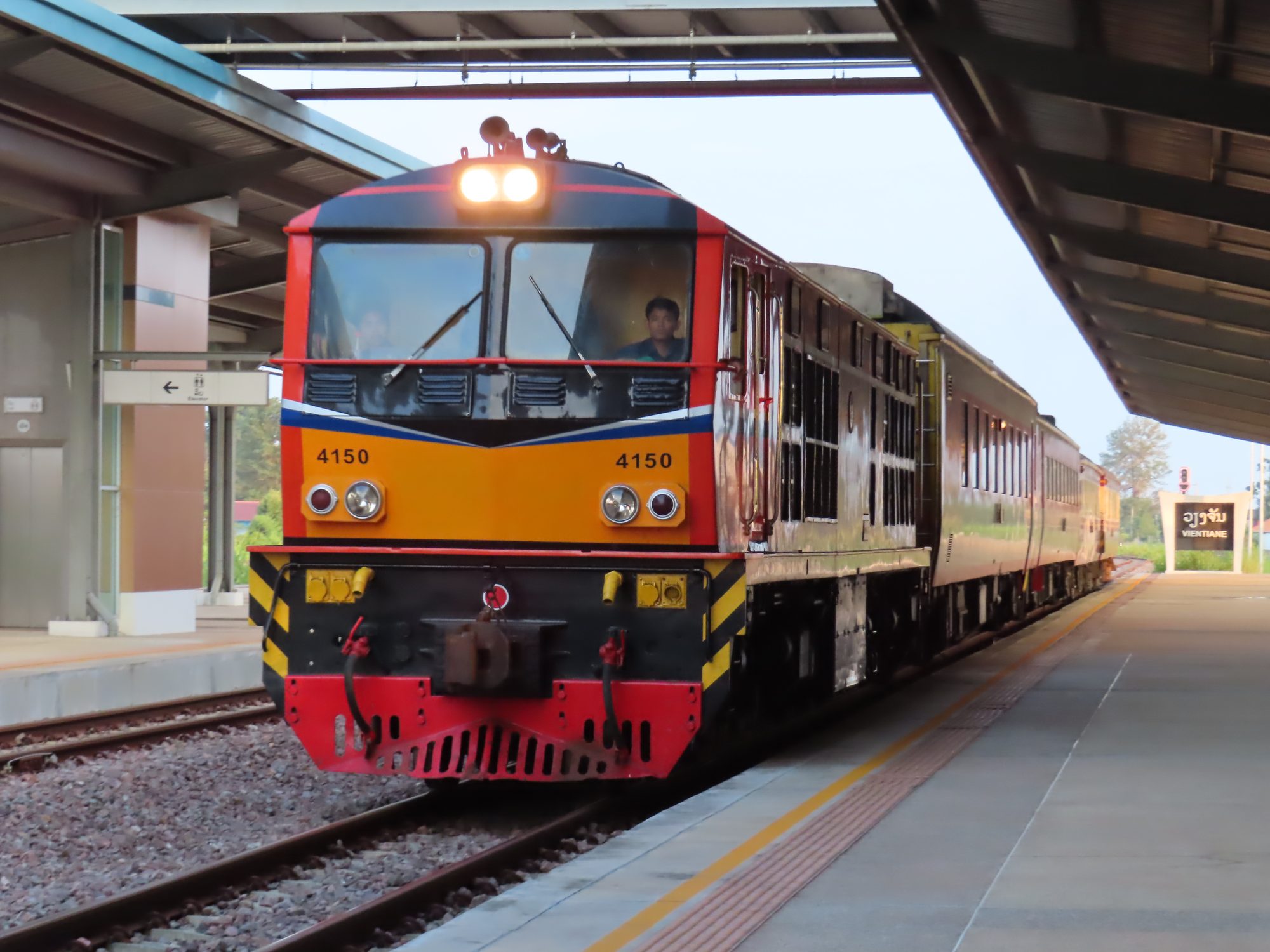
The train to Laos from Bangkok starts at Krung Thep Aphiwat station, which replaced Hua Lamphong as the main long-distance terminal. Two overnight trains run daily to Nong Khai, the Thai border town directly opposite Vientiane. The journey takes roughly ten to eleven hours, covering about 620 km through Thailand's central plains and northeastern provinces.
Both trains carry second-class air-conditioned sleepers: upper and lower berths with curtains for privacy. Lower berths cost a little more and are slightly wider. First-class cabins give you a two-berth compartment and are available on some services. As of November 2026, second-class sleeper fares start below 1,000 THB; check current prices at a booking platform before you travel, as fares vary by class and service.
Trains leave Bangkok in the late afternoon or early evening and reach Nong Khai around 06:00–08:00. That timing works in your favour — you cross the border with the day ahead of you.
A note on Udon Thani: Some travellers fly from Bangkok to Udon Thani (about 55 minutes) and take a local train or bus the remaining 55 km to Nong Khai. It is a faster option if the overnight train is full or if you prefer not to sleep on board. The Udon Thani to Vientiane route via Nong Khai is well established.
 Related readVientiane to Luang Prabang by Train: The Complete Guide
Nong Khai to Vientiane: Crossing the Friendship Bridge
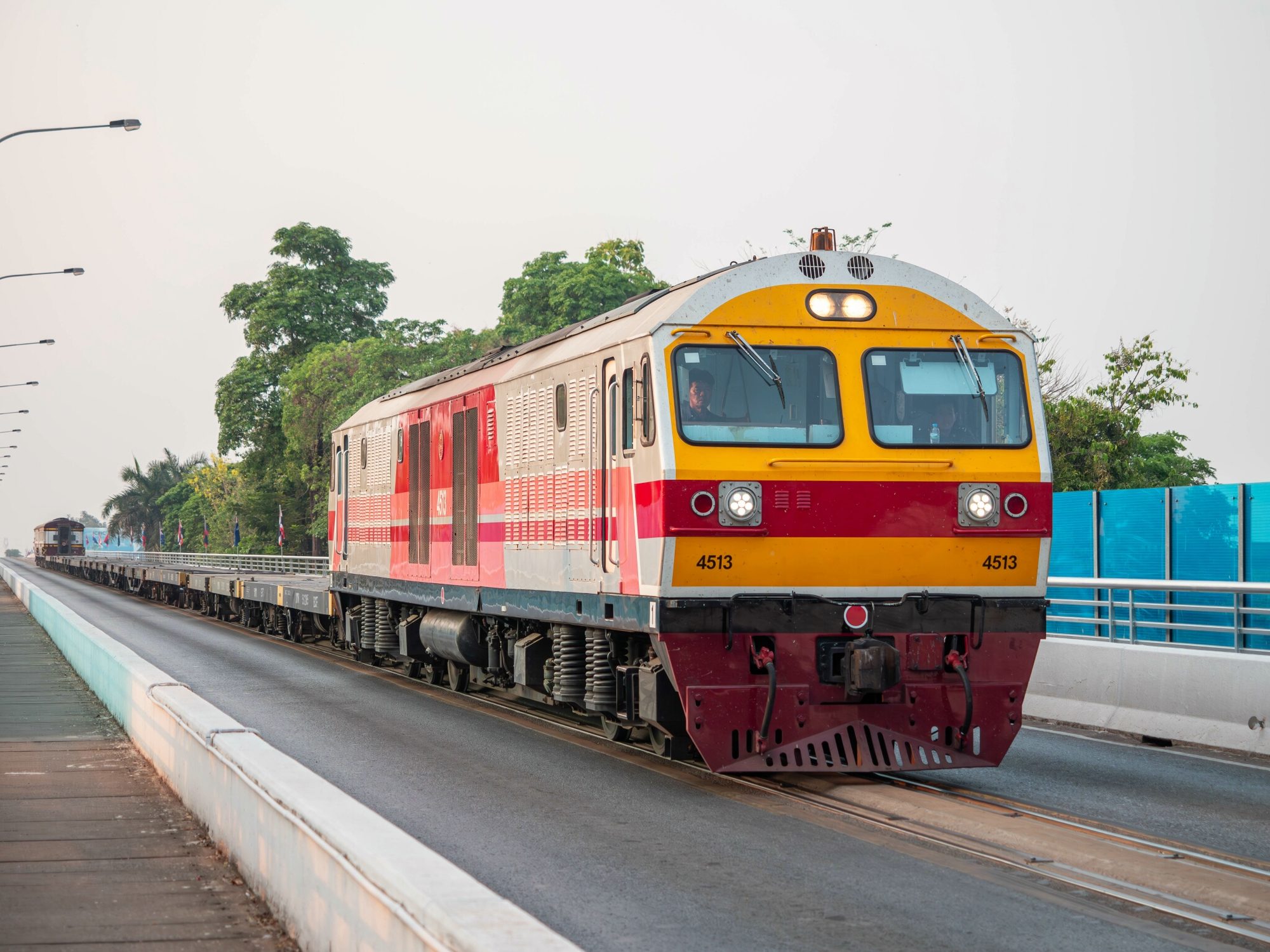
From Nong Khai station, a shuttle train runs across the Thai-Lao Friendship Bridge to Thanaleng station, a few kilometres outside Vientiane. This is the only rail crossing between Thailand and Laos. The shuttle runs several times a day; as of November 2026, the first departure from Nong Khai is in the morning and the last in the early evening. Check current times at the station, as schedules are adjusted periodically.
At the border you exit Thailand and enter Laos through standard immigration. Most nationalities can obtain a Lao visa on arrival for a small fee; bring a passport photo and US dollars or Thai baht. Check your country's current entry requirements with your government's travel advice. The UK Foreign, Commonwealth & Development Office keeps an up-to-date page for British travellers.
From Thanaleng, tuk-tuks and taxis reach central Vientiane in around twenty minutes.
Vientiane is worth at least a day. The capital is quieter and more compact than most Southeast Asian cities: wide French-colonial boulevards, the golden stupa of Pha That Luang, the Haw Phra Kaew temple — which once held the Emerald Buddha before it was taken to Bangkok. The riverside promenade along the Mekong is best in the early evening, when vendors set up along the water and the light goes flat and orange over the river.
Vientiane to Luang Prabang: The Lao-China Railway
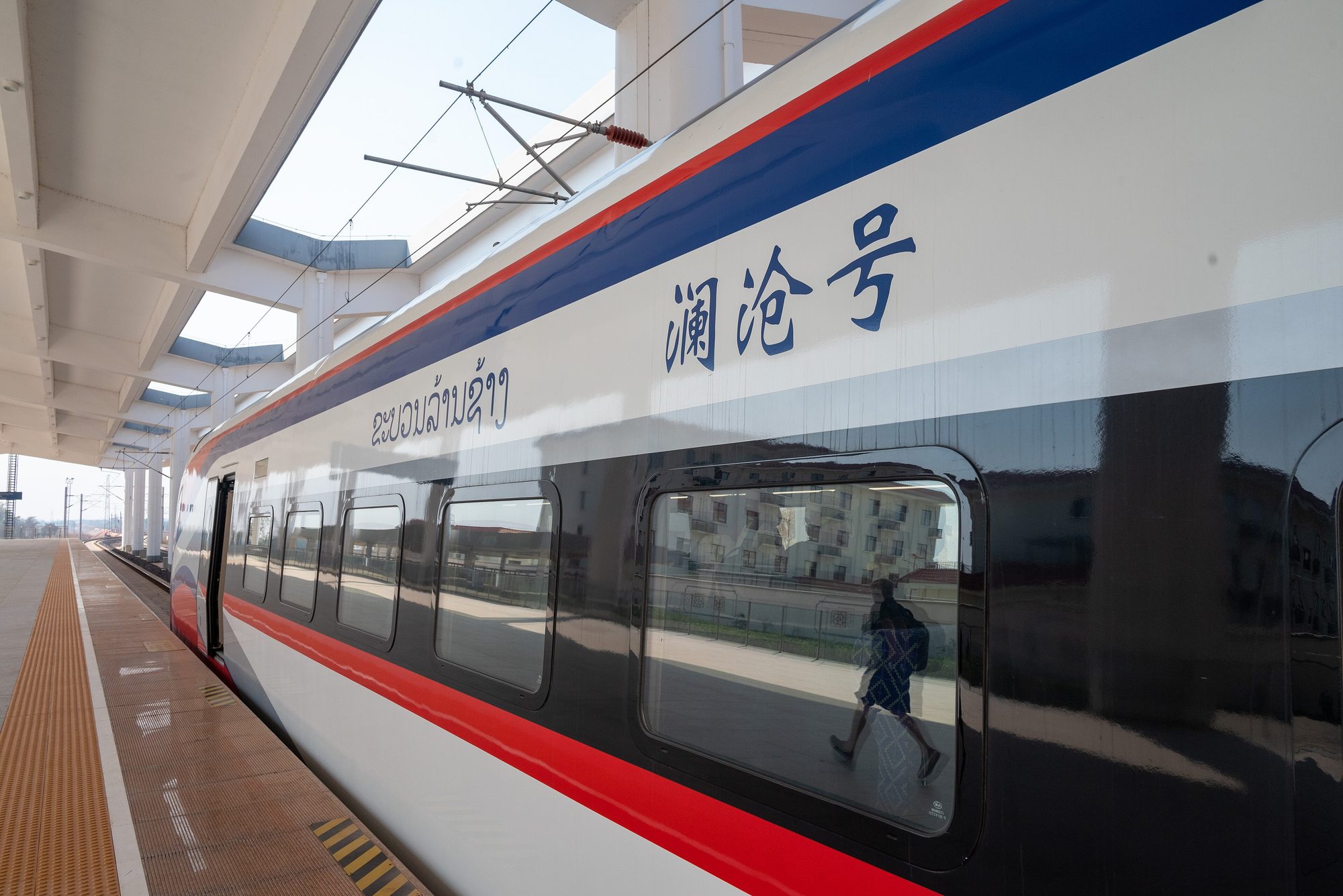
The Lao-China Railway, opened in December 2021, runs 414 km from Vientiane north to Boten on the Chinese border, with Luang Prabang the main intermediate stop. The train departs from Vientiane (Patouxay station) and reaches Luang Prabang in around two hours. A route that once took six to eight hours by road now takes two by rail.
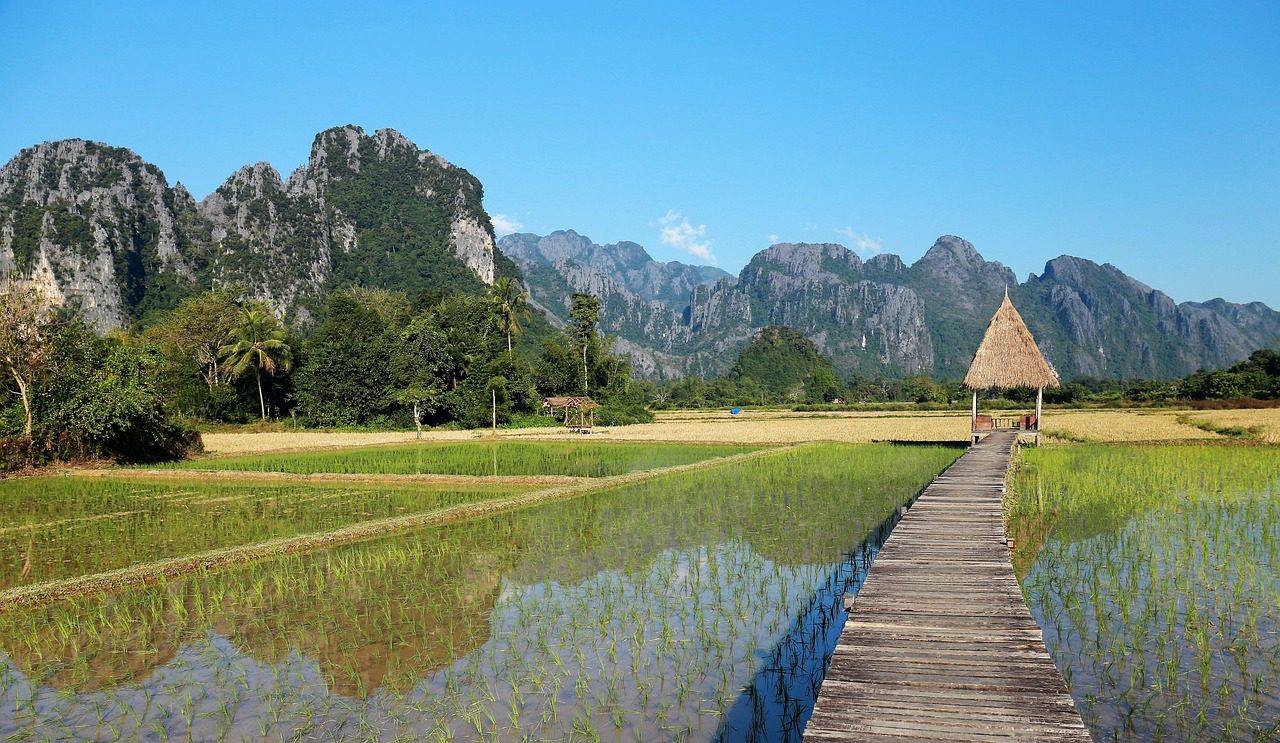
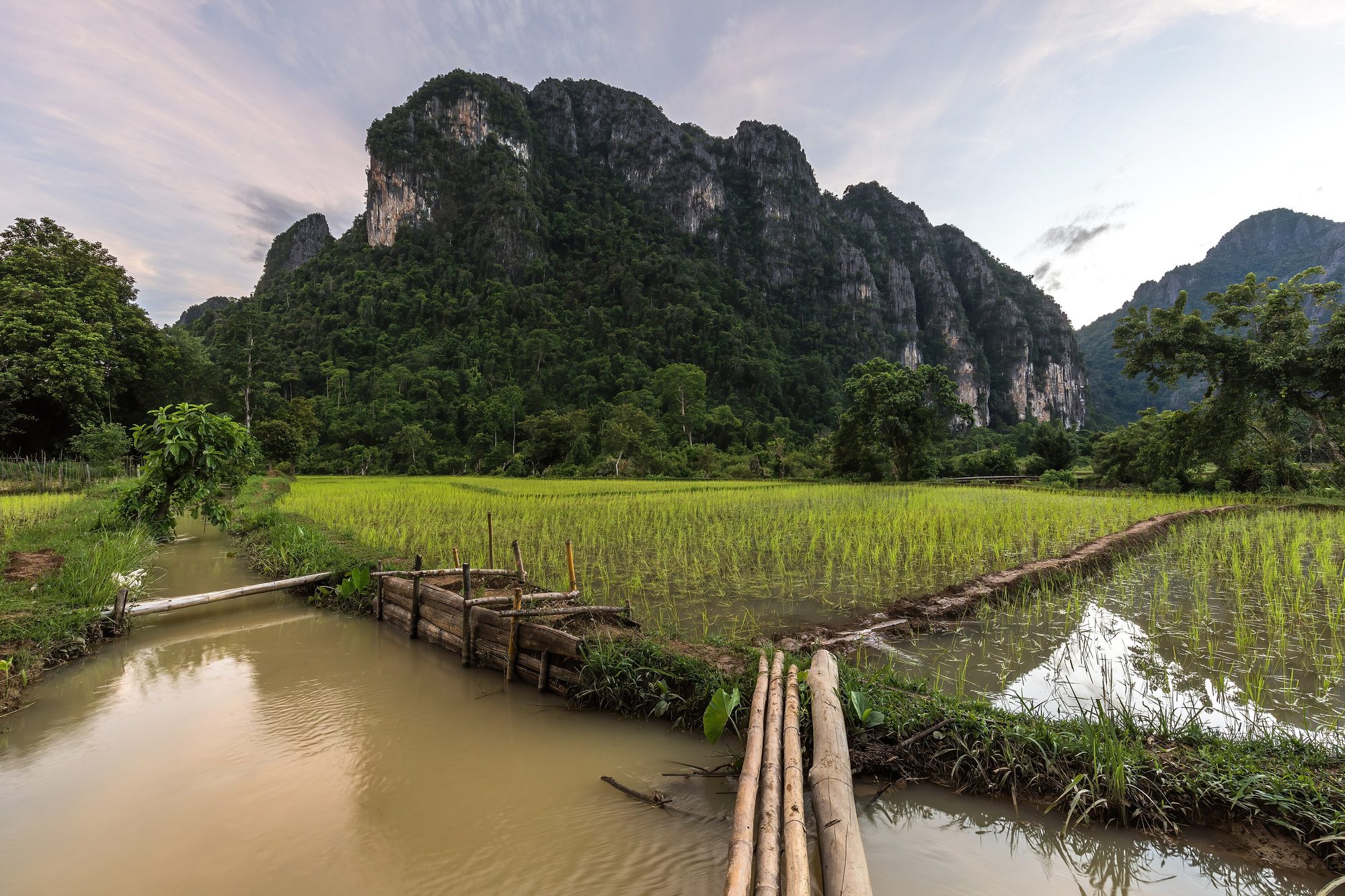
The train passes through the karst landscape of Vang Vieng Province: limestone peaks, paddy fields, bamboo bridges over green rivers. Much of the route runs through tunnels — more than seventy of them — so the landscape arrives in vivid intervals between dark stretches. When the mountains open up, a window seat earns its price.
Tickets are sold at Patouxay station and through official channels. Demand runs high around Lao public holidays and peak travel months (November to February); buying a day or two in advance is sensible. As of November 2026, second-class seats cost roughly 100,000–130,000 LAK per person for the Vientiane to Luang Prabang leg. Confirm current fares at the station or with Tourism Laos, the country's official tourism authority.

Arriving in Luang Prabang
The Luang Prabang train station sits about 8 km from the town centre. Tuk-tuks wait outside and the ride takes around fifteen minutes. Hotels can usually arrange a pick-up if you send your arrival time in advance.
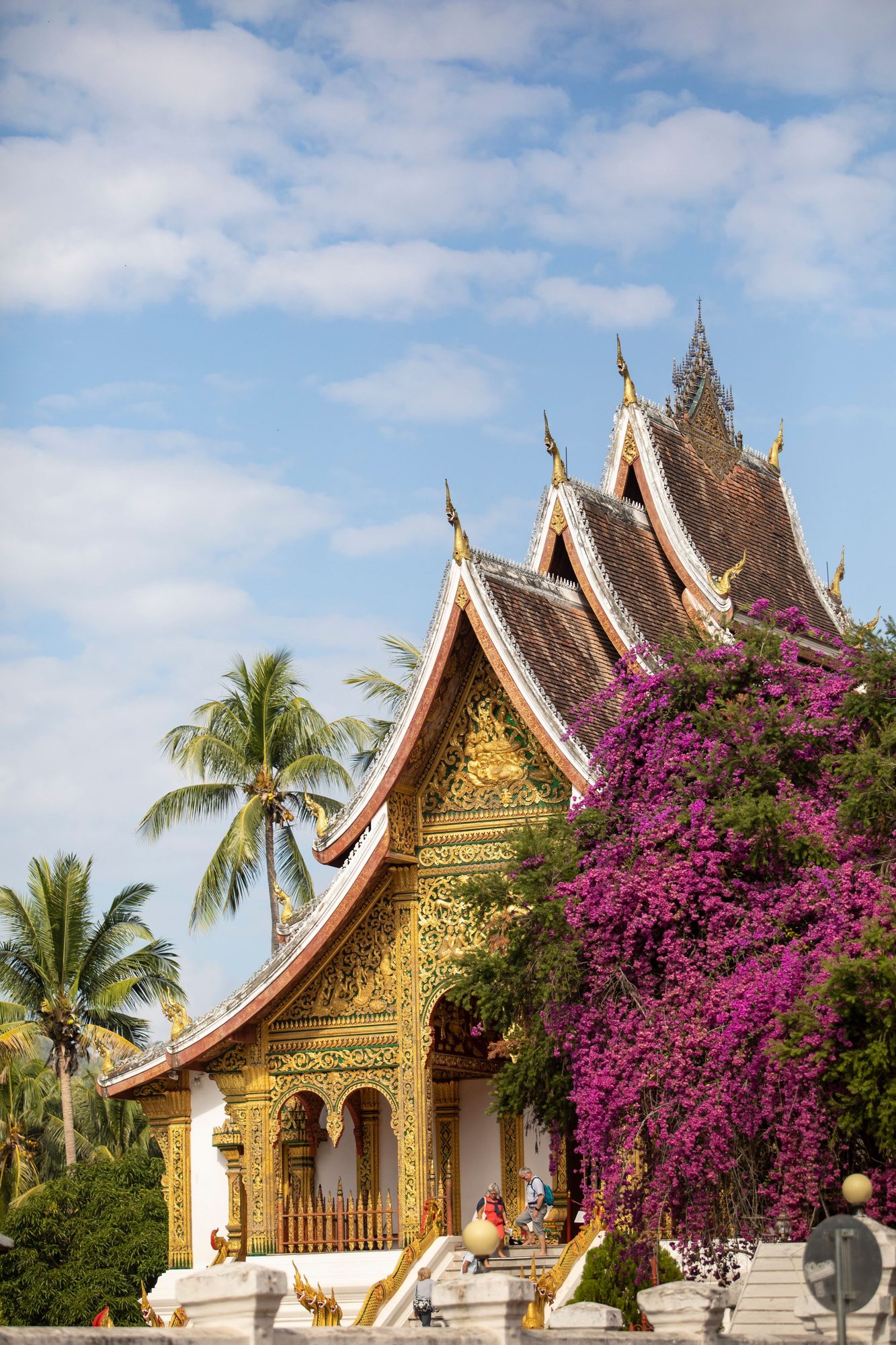
Luang Prabang is a UNESCO World Heritage town: a small, walkable old quarter of temples, French shophouses, and morning alms-giving ceremonies where monks in saffron robes walk in silent procession at dawn. The night market along the main street fills each evening with weavings, silverwork, and Lao street food. The morning market nearby is quieter and more local — herbs, river fish, fresh chillies, produce carried in from surrounding villages.
If you are staying outside the Old Town, several riverside hotels sit along the Nam Khan, around twenty minutes from the train station. Out there the rhythm slows: kayaking on the river, yoga by the water, farm-to-table meals.
Planning the Full Journey: Bangkok to Luang Prabang by Train
Here is the route in summary:
| Leg | Mode | Approx. time |
|---|---|---|
| Bangkok (Krung Thep Aphiwat) to Nong Khai | Overnight sleeper train | 10–11 hours |
| Nong Khai to Thanaleng (Vientiane border) | Shuttle train across Friendship Bridge | 15 min |
| Thanaleng to central Vientiane | Tuk-tuk / taxi | 20 min |
| Vientiane (Patouxay) to Luang Prabang | Lao-China Railway | 2 hours |
| Luang Prabang station to town | Tuk-tuk / hotel transfer | 15–20 min |
A comfortable two-day journey with a night's sleep on the train and an optional day in Vientiane. Some travellers do it in one long push; most find that a night in Vientiane makes the whole thing more enjoyable.
Best time to travel: The cool dry season from November to February is the most comfortable for overland travel. March to May brings heat; June to October is the green season, with heavy afternoon rain, high rivers, and the landscape at its most vivid. The trains run year-round; road transfers can slow during heavy rain.
For the full picture of how to move around once you are in the country, the Laos China Railway guide covers the railway in useful detail.
Questions
Is there a direct train from Bangkok to Vientiane?
No. The journey uses two trains: an overnight sleeper from Bangkok's Krung Thep Aphiwat station to Nong Khai, then a short shuttle across the Friendship Bridge into Laos. From Thanaleng station, tuk-tuks complete the transfer to central Vientiane.
Is there a sleeper train from Bangkok to Laos?
Yes. Thai Railways runs overnight sleeper trains from Bangkok to Nong Khai. Both first-class cabins and second-class open berths are available. Trains depart late afternoon or evening and arrive in Nong Khai in the early morning, ten to eleven hours later.
How long is the fastest train from Luang Prabang to Vientiane?
The Lao-China Railway covers the journey in approximately two hours. Before the railway opened in 2021, the same route by road took six to eight hours. The train also stops at Vang Vieng, making it easy to break the journey there.
How much does a train ticket from Thailand to Laos cost?
As of November 2026, Bangkok–Nong Khai second-class sleepers start below 1,000 THB; first-class cabins cost more. The Lao-China Railway from Vientiane to Luang Prabang runs roughly 100,000–130,000 LAK in second class. Confirm all fares at the time of booking.