Laos or Thailand: Which Should You Choose?
By the Travel Laos team · 22 November 2026 · 7 min read · Updated 23 November 2026
In this post
Photo: Christophe95 · CC BY-SA 4.0 · via Wikimedia Commons
Both countries sit within a few hundred kilometres of each other, share Buddhist traditions, and attract travellers looking for temples, rivers, good food and warmth. But they offer genuinely different journeys. Thailand moves fast, spends big on infrastructure, and absorbs enormous volumes of tourists without visibly breaking a sweat. Laos is smaller, quieter, and largely unbothered by the crowds that define Bangkok's streets or Phuket's beach strip.
This piece is for people genuinely weighing the two — not trying to combine both on one trip, but trying to understand what each country does best and which fits what they are actually looking for.
Is Thailand or Laos better?
Neither. That is the honest answer. They serve different travel moods.
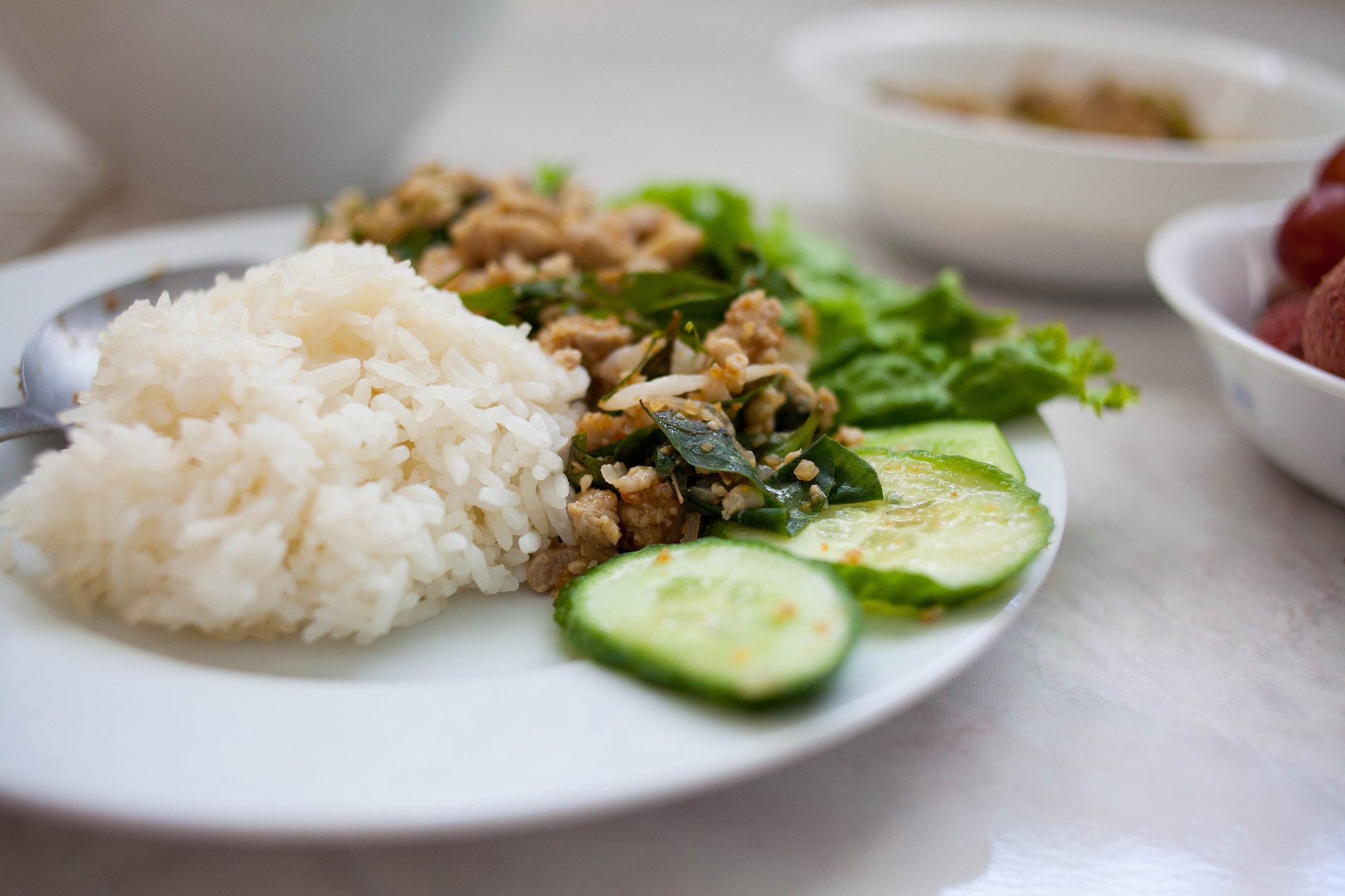
Thailand is better if you want convenience: smooth roads, cheap domestic flights, a mature tourist infrastructure, world-class street food at low prices, and beaches you can reach from a major international hub the same afternoon. The variety is extraordinary.
Laos is better if you want to slow down. The country has no coastline, one main international airport, and roads that still remind you that it is not Thailand. That friction is, for many travellers, the point. Mornings in Luang Prabang begin with saffron-robed monks walking in silence through UNESCO-listed streets. Afternoons pass on the river. There is less to do in the tourist-industry sense, and that is exactly what draws people.
If you have two weeks and are coming from Europe for the first time, Thailand gives you more variety per kilometre. If you have already done Thailand and want to understand what Southeast Asia felt like before the infrastructure caught up, Laos gives you something Thailand cannot replicate.
 Related readLaos or Vietnam: Which Should You Visit First?
Why is Laos famous?
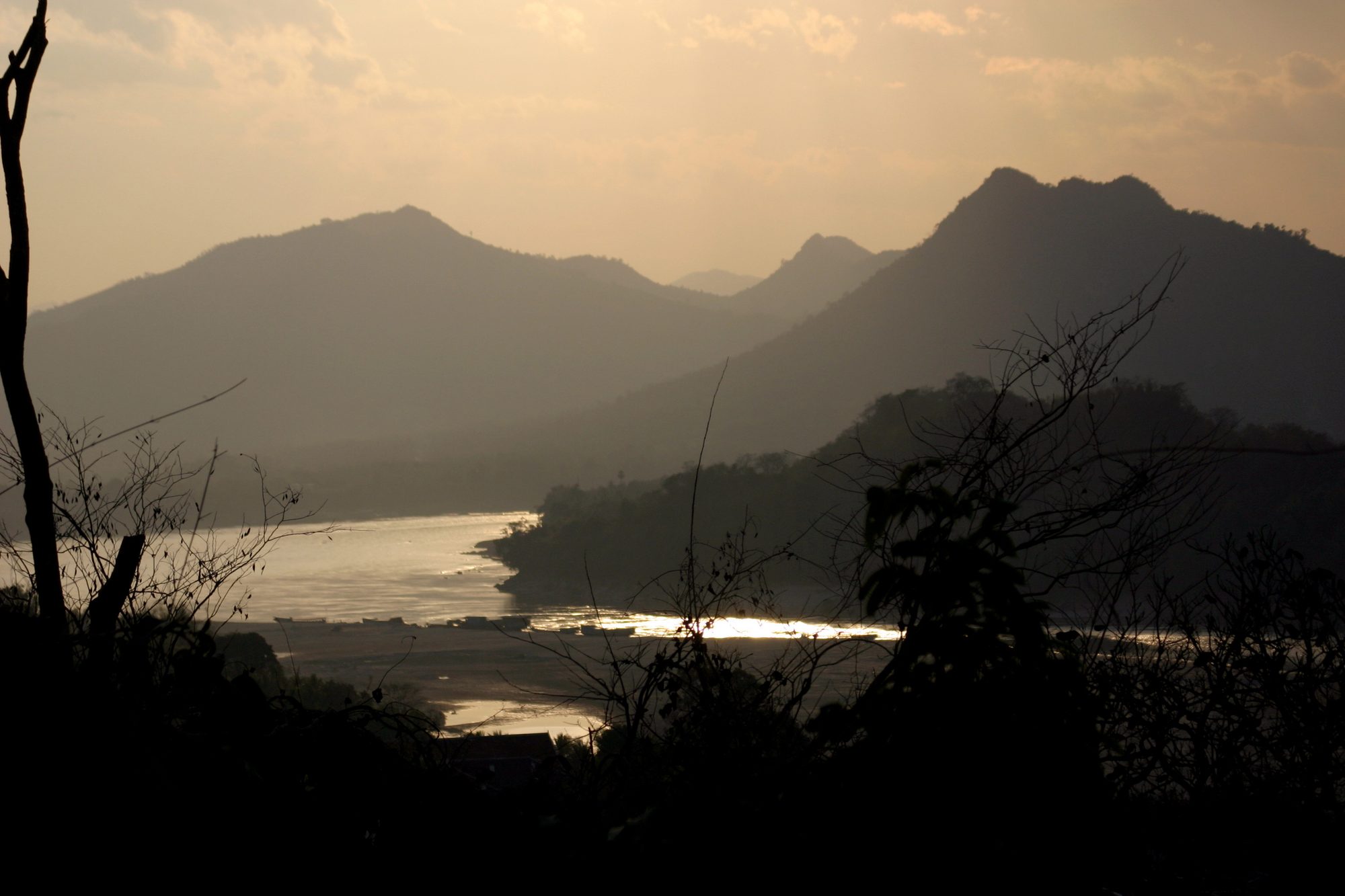
Luang Prabang is the main draw: a small UNESCO World Heritage town at the confluence of the Mekong and Nam Khan rivers, with gilded temples, French colonial shophouses and a daily alms-giving ceremony (the tak bat) that has made it one of the most photographed places in mainland Southeast Asia. Many visitors come for it specifically and stay longer than they planned.
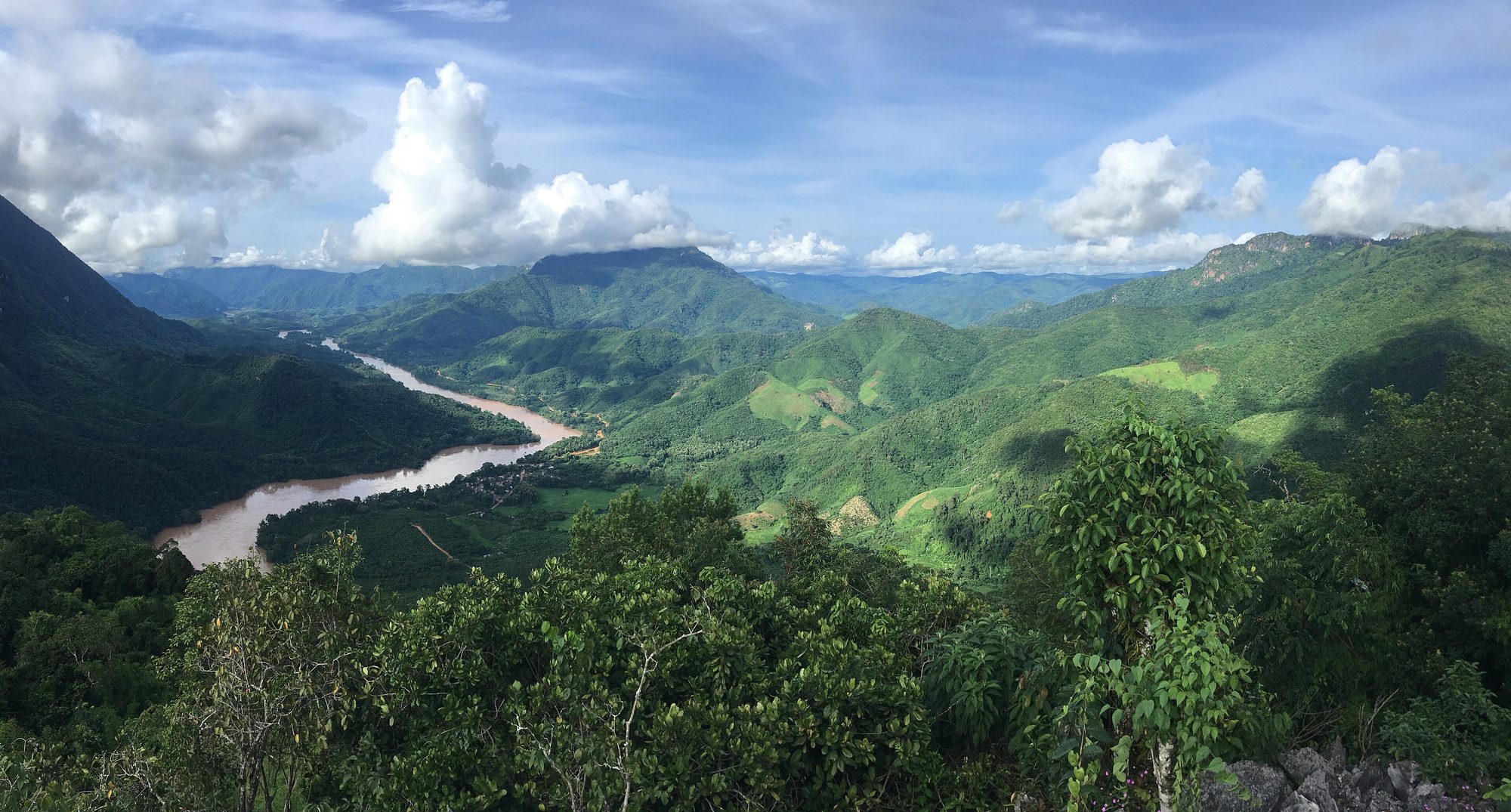
The Mekong River defines Laos geographically, economically and spiritually. Slow-boat journeys from the Thai border to Luang Prabang take two days, stopping overnight in Pak Beng, and people still choose them deliberately.
Then there is the pace. Laos has a phrase, bo phen nyang — roughly "it doesn't matter" or "no problem" — said to reflect something real about the national temperament. Life here does not hurry.
The landscapes are worth naming: the karst formations around Vang Vieng, the Kuang Si waterfalls near Luang Prabang, the Bolaven Plateau in the south. None of them are photographed widely enough to have been spoiled. If you want to understand the broader context before you arrive, the Laos travel itinerary guide covers two weeks on the Mekong and Nam Khan in detail.
Are Thai and Lao languages similar?
More than you might expect. Both belong to the Tai-Kadai language family, and linguists consider Lao and northern Thai (Kham Mueang) mutually intelligible to a reasonable degree. Standard Thai and Lao share a large part of their vocabulary, and the scripts are closely related — a literate Thai speaker can usually read Lao with some effort.
For English speakers, communication access is similar in both countries. English is spoken in tourist-facing businesses across Thailand and Laos, with Bangkok and Luang Prabang being the most accessible.
Laos vs Thailand: a practical comparison
| Laos | Thailand | |
|---|---|---|
| Pace | Slow, deliberate | Varies — cities fast, islands slow |
| Crowds | Light (Luang Prabang excepted at peak) | Heavy at major sites |
| Infrastructure | Developing; improving rapidly | Well-developed |
| Beaches | None (landlocked) | Extensive coastline |
| River life | Central — the Mekong and Nam Khan | Present but less defining |
| Buddhist culture | Visible, active, intimate | More commercial in tourist areas |
| Wellness scene | Emerging; rooted in Lao tradition | Mature and widespread |
| Getting around | Slower; flying or slow boats for longer distances | Domestic flights, trains, buses readily available |
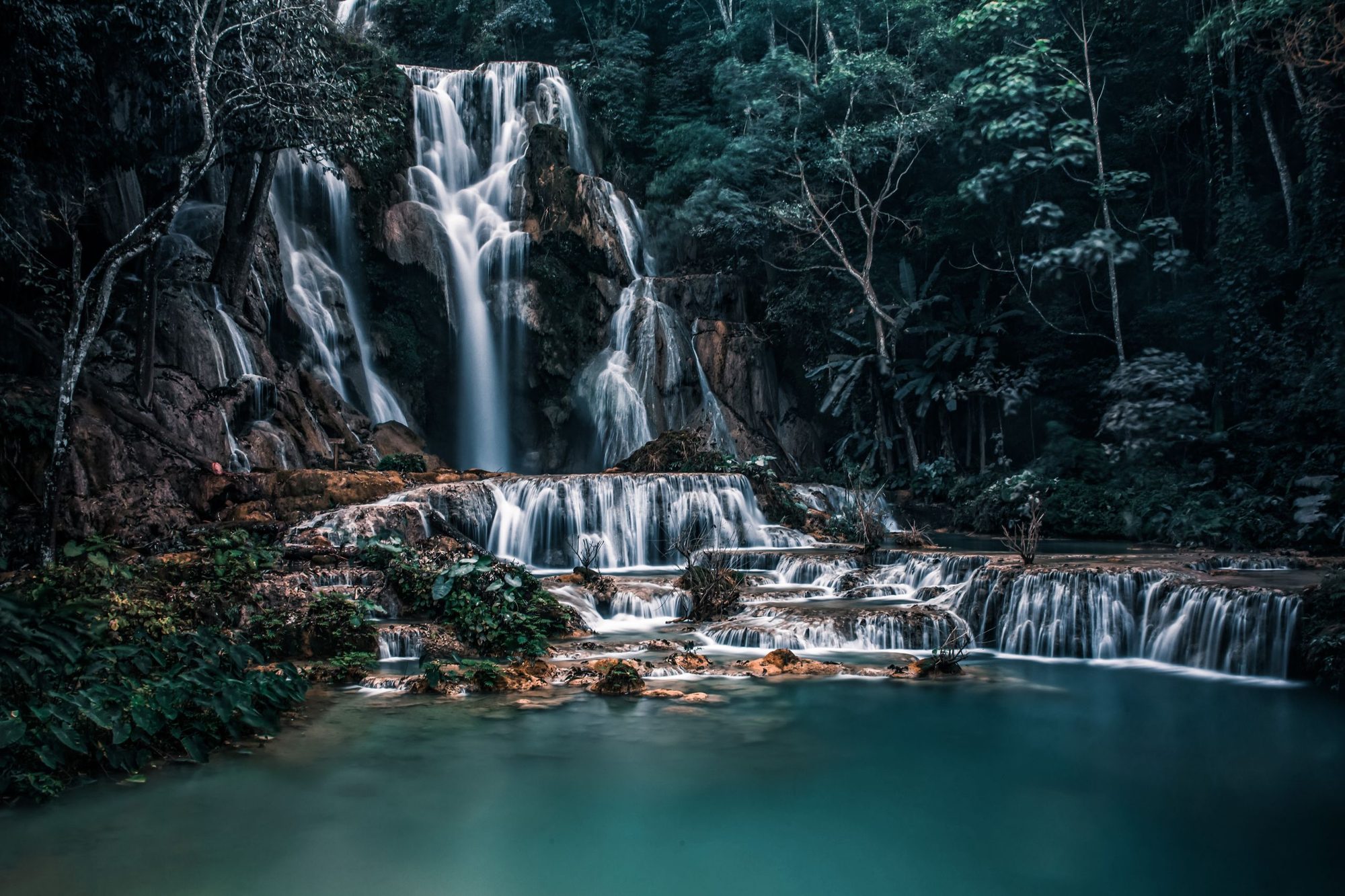
Photo: Max Mishin · Pexels License · via Pexels
Laos has a dry season running roughly November to March — cool mornings, clear skies and manageable heat — which is peak season in Luang Prabang. The wet season, May to October, turns the landscape green and full; rivers rise, the Kuang Si waterfalls reach their most dramatic, and visitor numbers drop. Luang Prabang remains accessible throughout. April is the hottest month, coinciding with the Lao New Year (Pi Mai), when water-throwing festivals and several days of public closures make it a difficult window for temple visits.
Before travelling, check your government's current guidance. The UK Foreign, Commonwealth & Development Office publishes regularly updated guidance for Laos, including notes on border areas and road safety.
What Laos offers that Thailand cannot
Thailand has had decades of large-scale tourism investment. The infrastructure is excellent, the food is excellent, and the temples are well-maintained and well-signposted. That polish, for some travellers, creates a distance between them and the place.
Laos has not been polished in the same way. The alms-giving ceremony at dawn in Luang Prabang still feels like something witnessed rather than produced. A village bamboo-weaving workshop with a local artisan still involves a local artisan. A morning on the Nam Khan before the light gets harsh is not managed by a large operator.
The wellness scene in Laos is worth noting separately. It is smaller than Thailand's but more rooted in local tradition — Lao herbal compress techniques, farm-grown ingredients, riverside settings without the resort-park scale. For anyone already familiar with Thai spa culture, the Lao version tends to feel quieter and less curated.
Combining Laos and Thailand
Many travellers do both. The classic route is to fly into Bangkok, travel north to Chiang Mai, cross into Laos by road or slow boat, then spend several days in Luang Prabang before flying out. This works in ten to fourteen days if you are comfortable moving at pace at either end.
The slow boat from Huay Xai (the Thai border town) to Luang Prabang takes roughly two days. It is not luxurious. For most people who do it, it is one of the more memorable transit journeys they have taken: wide brown river, forested hillsides, almost no phone signal.
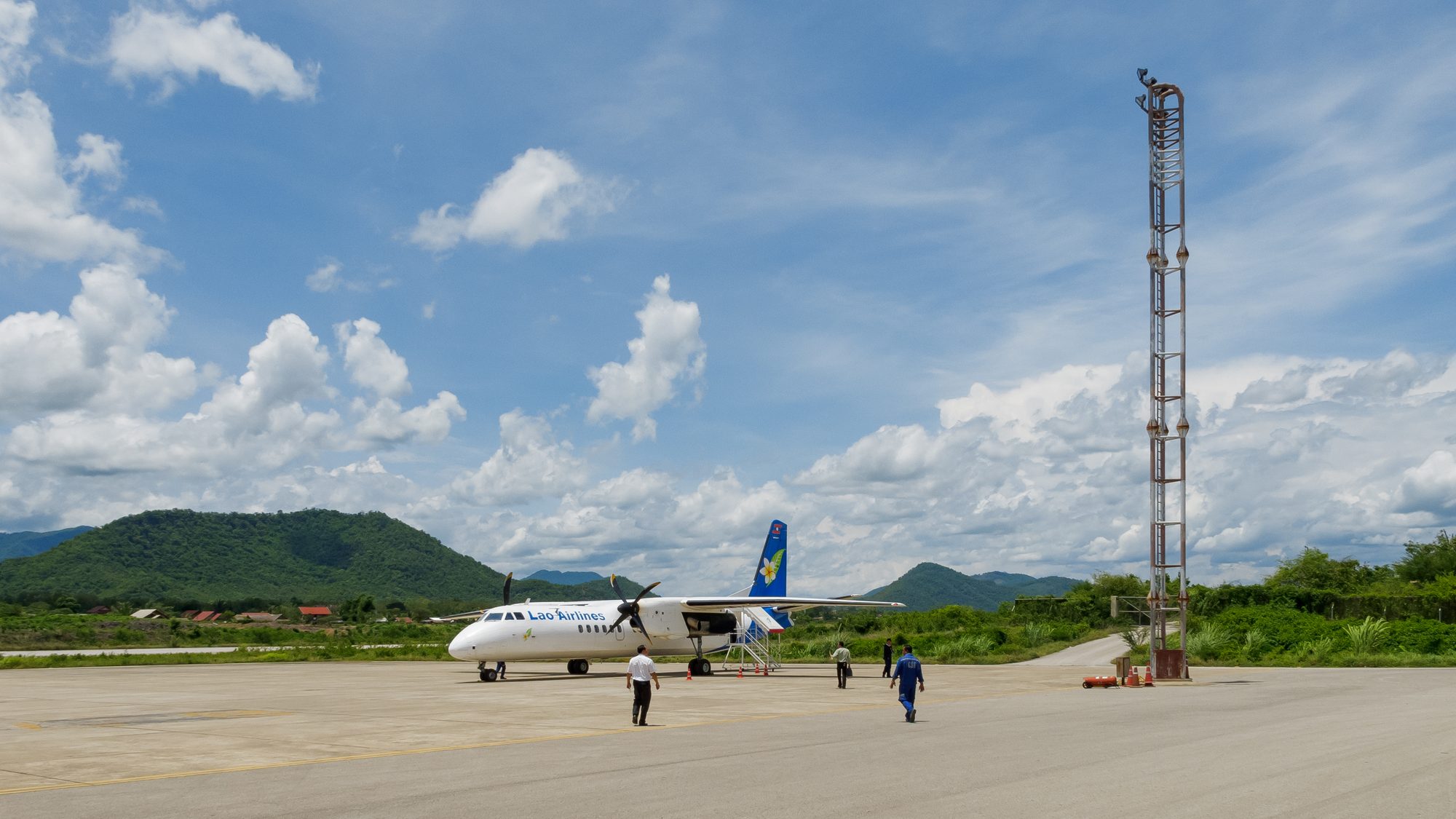
If you are coming specifically for a retreat or a longer wellness stay, flying directly into Luang Prabang International is the more practical option, with connections through Bangkok, Hanoi and several other regional hubs.
Planning a stay in Luang Prabang
Luang Prabang is small enough to navigate on foot or by bicycle. The old town sits on a peninsula between the Mekong and the Nam Khan, and most temples are within twenty minutes of each other. Early mornings — before eight — are the best time to walk the streets, before tour groups arrive. The night market on Sisavangvong Road runs every evening.
For those wanting a river base outside the town centre, The Namkhan sits a few kilometres along the Nam Khan. It is a Small Luxury Hotels of the World property with an organic farm, riverside yoga pavilion and spa using locally sourced ingredients. The Harmony & Mindfulness Retreat brings together daily yoga, qi gong, farm-to-table meals and massage — a useful option for travellers who want to extend a Thailand–Laos trip with a few slower days on the river.
Questions
Is Laos or Thailand better for a first trip to Southeast Asia?
Thailand is easier for a first visit: more infrastructure, wider transport links, greater geographic variety and a well-worn tourist circuit. Laos rewards travellers who want something slower. Luang Prabang is straightforward to navigate and many first-timers choose it for its scale and calm.
How long should I spend in Laos compared with Thailand?
Most travellers spend more time in Thailand. For Luang Prabang, three to five days covers the main temples and the waterfalls comfortably. A week gives you time to slow down and get onto the river.
Do I need a visa for Laos or Thailand?
Most Western nationalities can obtain a Lao visa on arrival at Luang Prabang International Airport — check your government's current guidance for the latest requirements. Thailand offers visa-free entry for many nationalities; requirements change, so confirm before you travel.
What is the best time of year to visit Luang Prabang?
November to February offers the most temperate conditions: dry, clear and cool enough in the mornings for comfortable walking. The green season, roughly May to October, brings dramatic river levels and far fewer visitors.