Top Attractions in Luang Prabang: A Practical Ranked Guide
By the Travel Laos team · 22 November 2026 · 8 min read · Updated 23 November 2026
In this post
Photo: Balon Greyjoy · Public domain · via Wikimedia Commons
Luang Prabang's UNESCO Old Town is small, but the list of things to see is long, and not every famous sight is worth the effort. This guide covers the ones worth recommending to a friend — the famous because they deserve the reputation, the quieter ones because most lists skip them. They are ordered loosely by experience, not ticket price or social media currency.
If you are still deciding whether to visit, the guide Is Laos Worth Visiting? gives an honest answer before you commit.
The Ten Best Attractions in Luang Prabang
1. Tak Bat — the Alms-Giving Procession
This is, for most visitors, the single most affecting thing they see here. Before dawn — around 05:30 — hundreds of monks walk in silence through the Old Town, collecting sticky rice from residents kneeling at the roadside. The procession has been unbroken for centuries.
Watch from a respectful distance and stay quiet. Do not step in front of monks to photograph them. If you want to participate in the offering, buy rice from a vendor selling it correctly: cooked sticky rice in small bamboo containers, not tourist packages. A guided alms-giving tour is a good option the first time: a guide accompanies you, explains the etiquette and positions you well. Tours typically leave around 05:00 and are back by 07:00.
2. Wat Xieng Thong
The most beautiful temple in town, and one of the finest examples of Lao religious architecture anywhere. Built in 1560, it sits at the northern tip of the peninsula where the Nam Khan meets the Mekong. The roof sweeps low to the ground in multiple tiers — a style particular to this region. The rear wall carries a glass mosaic of the Tree of Life that stops most people mid-step.
Go early, before the tour groups arrive. The light through the trees and the quiet of the compound are entirely different from the midday rush.
3. Kuang Si Waterfall
About 30 kilometres south of town: a series of tiered turquoise pools beneath a tall limestone fall. The colour comes from calcium carbonate in the water and shifts between pale jade and deep aquamarine depending on the season. You can swim in the lower pools; the upper reaches are protected. Leave by 09:00 to have the pools relatively to yourself, and you will have the afternoon back for the town.
4. The Night Market on Sisavangvong Road
Every evening from around 17:00, vendors set up along the main street selling silk scarves, hand-woven textiles, silver jewellery, paper lanterns and lacquerware. The best pieces tend to come from weavers who bring their own work. It is a good walk even if you buy nothing, and it winds down by 22:00.
5. Mount Phou Si
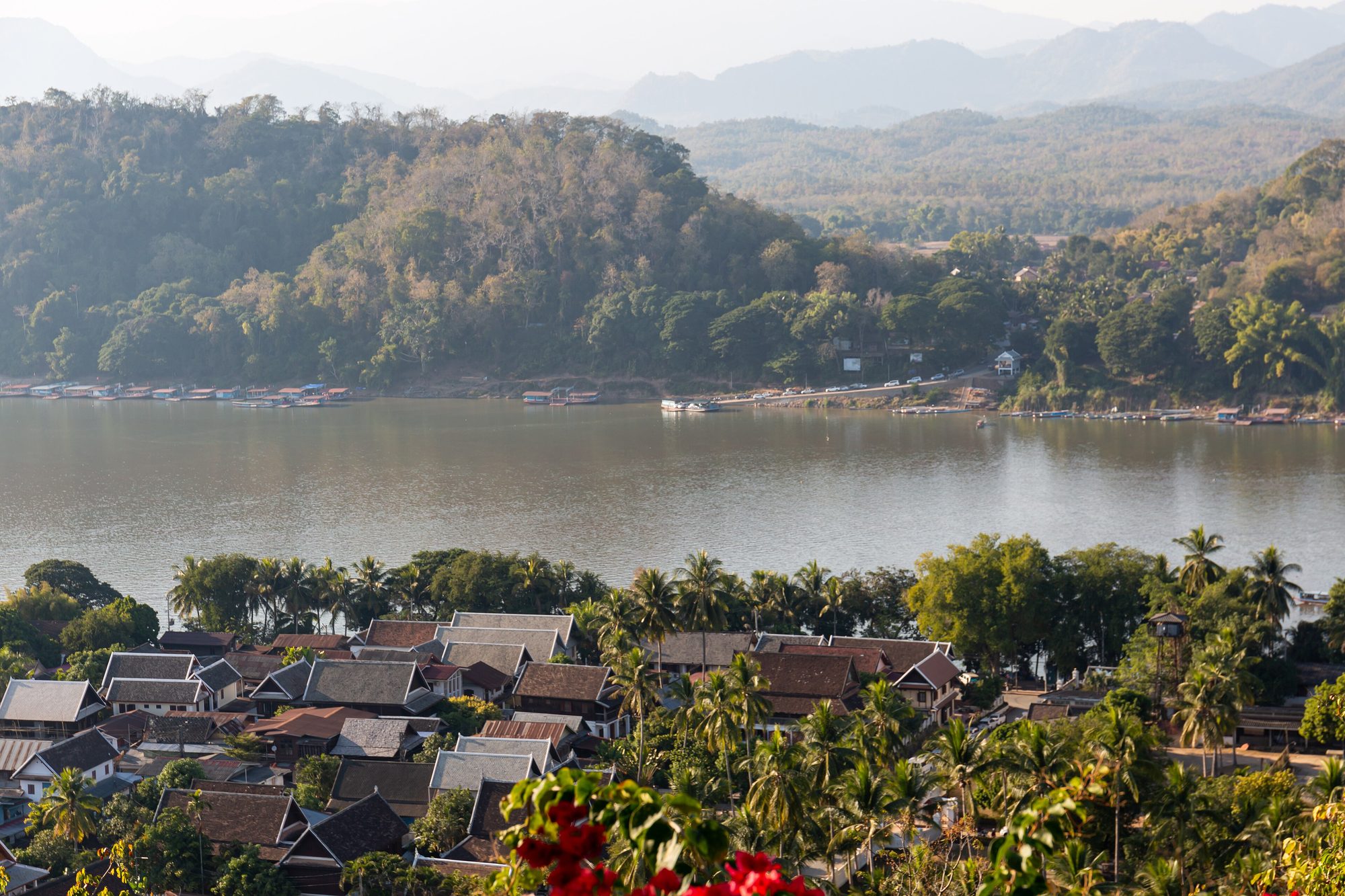
A steep climb of about 350 steps up the hill at the centre of the peninsula, with a small gilded stupa at the top. The view over the confluence of the Nam Khan and the Mekong, ringed by forested ridges, is worth the effort. Sunset is well-attended; go for sunrise if you prefer solitude.
6. The Royal Palace Museum (Haw Kham)
The former royal palace now serves as a national museum, sitting at the base of Phou Si hill. The entrance hall holds the country's most sacred Buddha image, the Phra Bang, which gives the town part of its name. The rooms are largely as they were left: formal reception halls, royal gifts from foreign states, the king's private chambers. Photography inside is restricted. Arrive when it opens to move through at your own pace.
7. The Mekong at Sunset
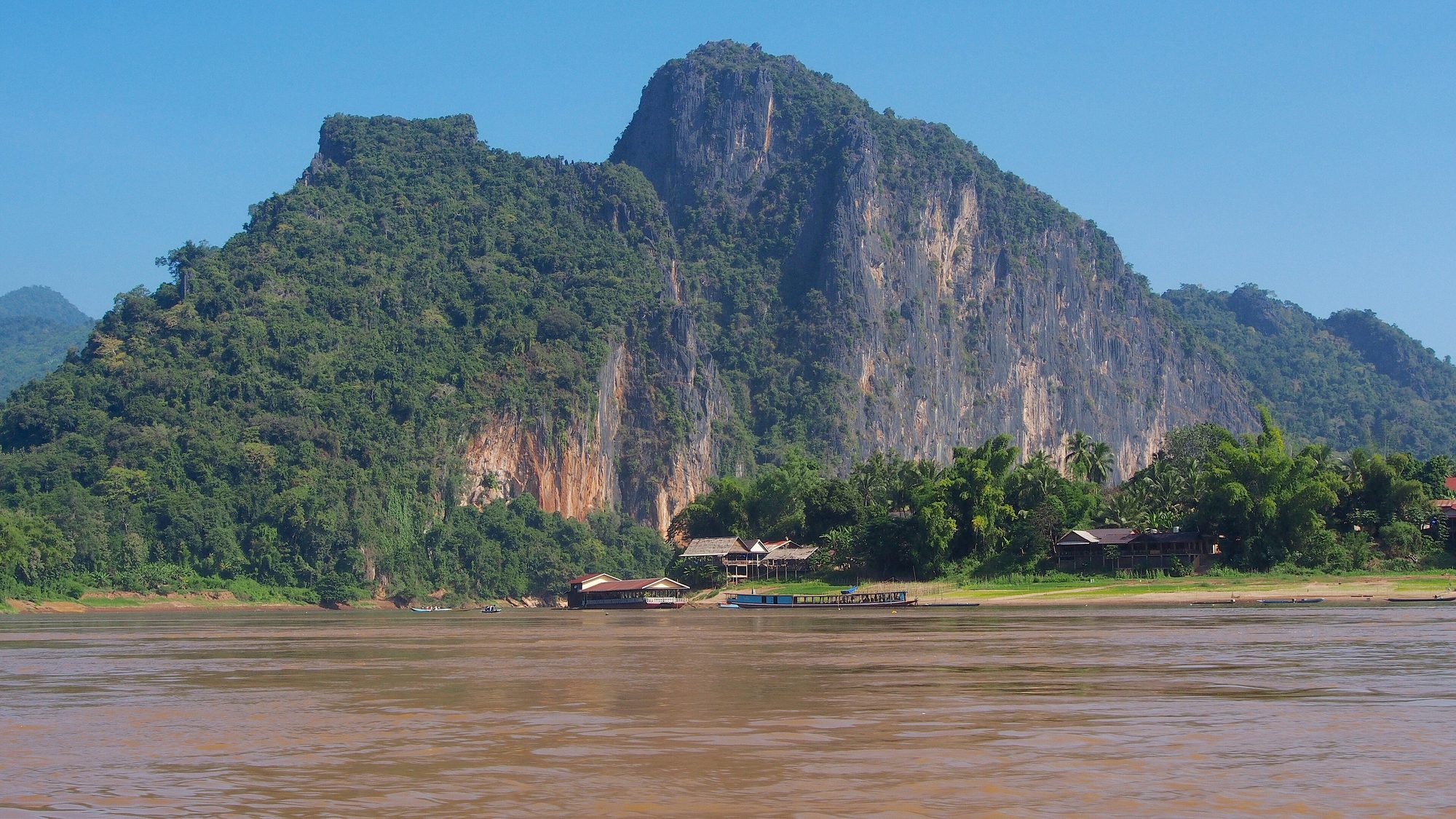
No admission, no queue. Walk to the western riverbank in the late afternoon and watch the light change over the water and the karst hills beyond. Long-tail boats pass, fishermen set their nets, and the whole town slows down. A cold Beer Lao from one of the small bars along the bank fits the moment well.
8. Wat Visoun and the That Makmo Stupa
Less visited than Wat Xieng Thong and quieter for it. The original temple dates from 1513; the rounded stupa beside it is known as the Watermelon Stupa for its shape. The compound is shaded and not on most group itineraries.
9. The Traditional Arts and Ethnology Centre
A small but serious museum dedicated to the ethnic minority cultures of Laos — the Hmong, Khmu, Akha and others who live in the mountains around the region. Textiles, tools, ceremonies, daily life, with well-written explanations. It takes about 45 minutes and is rarely crowded. Among the more rewarding things to see in Luang Prabang, and easy to miss if you stay on the main tourist trail.
10. The Nam Khan River
The Nam Khan is quieter than the Mekong, and its banks just outside town feel different from anything in the old quarter: river beaches in the dry season, boats drifting past, villages on the far side. Some riverside hotels open to day visitors for craft workshops, cooking classes and flower-offering ceremonies. For anyone who wants to slow down in the middle of a busy itinerary, an afternoon on the river is the right call.
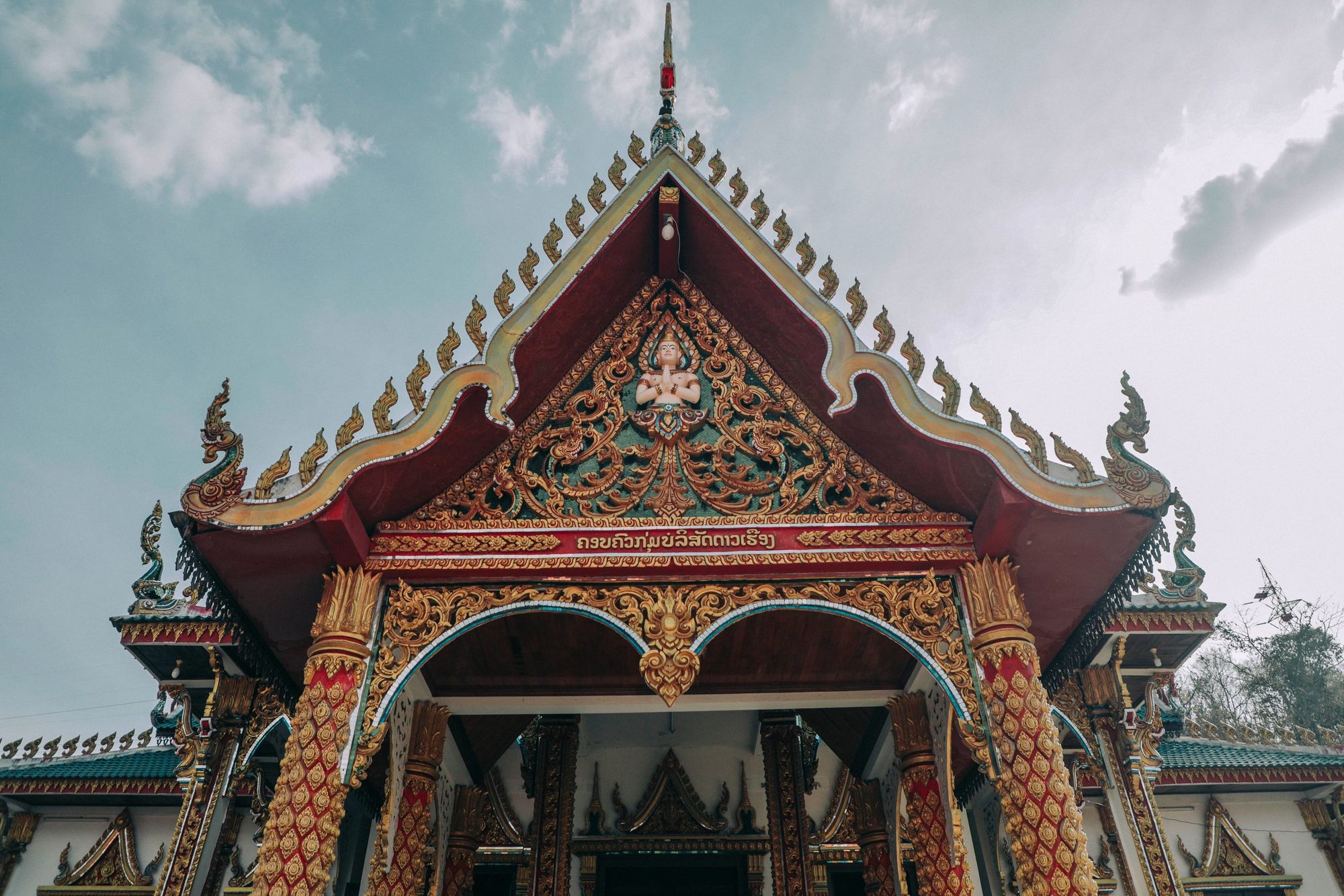
Photo: 竟傲 汤 · Pexels License · via Pexels
 Related readMekong River Cruises: An Insider's Guide from Luang Prabang
Why Luang Prabang Is a UNESCO World Heritage Site
Luang Prabang was inscribed on the UNESCO World Heritage List in 1995. The designation covers the entire Old Town peninsula and recognises the exceptional fusion of Lao traditional architecture — wooden shophouses, temple compounds, religious structures — with the urban planning and buildings introduced by French colonial administration from the late nineteenth century onward. The two layers exist side by side and largely intact, rather than one having displaced the other. The monasteries are active, the monks are resident, and practices like the Tak Bat procession continue daily.
How Long to Spend in Luang Prabang
Three full days is the practical minimum: one for the Old Town temples, one for Kuang Si, one for the night market, Phou Si and the river. Four or five days is more comfortable, particularly if you plan the Pak Ou caves, a cooking class, or a morning on the river. Travellers who arrive expecting to stay two days frequently extend.
Four days is not too much. It is, for most people, about right. The town rewards a slower pace — an early morning at Tak Bat, an afternoon on the riverbank, an evening at the market. For current site information and opening times, the Lao National Tourism Administration publishes regularly updated guidance.
Getting Around and Evenings
The Old Town is small and walkable. Most temples, the palace museum and the market sit within easy reach of each other on foot. The main roads are paved; side streets and temple compounds are well-maintained.
For Kuang Si, the Pak Ou caves and villages outside the peninsula, tuk-tuks are the standard option — agree on a price before you go. Bicycles can be hired in the Old Town and work well on the flat roads. The Pak Ou Caves, accessible by river boat upstream, make a half-day trip; the journey past limestone cliffs and fishing villages is as worthwhile as the destination itself.
After dark, the night market runs until around 22:00. A handful of bars along the Mekong stay open later, and there is a bowling alley on the outskirts popular with locals and travellers alike. What the town does not have is clubs or late-licence venues. Most visitors are not looking for that. The pace after dark is calm — a walk along the river, a beer at the waterfront, an early night before the 05:30 procession.
Questions
What is the single best thing to see in Luang Prabang?
Most visitors name the Tak Bat alms-giving procession as their most memorable experience. It happens every morning before dawn and is free to observe. Go with a guide the first time — the etiquette matters.
How long should you spend in Luang Prabang?
Four days suits most people comfortably: temples, Kuang Si, the night market, the river. Many visitors who plan two or three days quietly extend once they arrive.
Does Luang Prabang have nightlife?
Evenings are quiet. The night market, riverside bars and a late-opening bowling alley are the main options. There are no clubs or late-licence venues. Most visitors find the pace suits the town well.
Is Luang Prabang safe to walk around?
The Old Town is walkable and calm. The peninsula is small, well-lit along the main roads, and visited by travellers from around the world. Take sensible precautions with valuables, as you would anywhere.